How to Identify Common Nuisance Wildlife Species
Wildlife can be a beautiful addition to our environment, but sometimes certain species can become a nuisance. Understanding how to identify these common nuisance wildlife species is essential for homeowners and property managers alike. This guide will help you recognize these animals, understand their behaviors, and learn how to manage their presence effectively.
Understanding Nuisance Wildlife
Nuisance wildlife refers to animals that cause problems for humans, whether through property damage, health risks, or disturbances. These species often adapt well to urban environments, leading to increased encounters with people.
Common Characteristics of Nuisance Wildlife
Adaptability: Many nuisance species can thrive in urban settings, finding food and shelter easily.
Nocturnal Behavior: Many of these animals are active at night, making them harder to spot but more likely to cause disturbances.
Curiosity: Nuisance wildlife often investigates human habitats for food, leading to conflicts.
Common Nuisance Wildlife Species
Raccoons
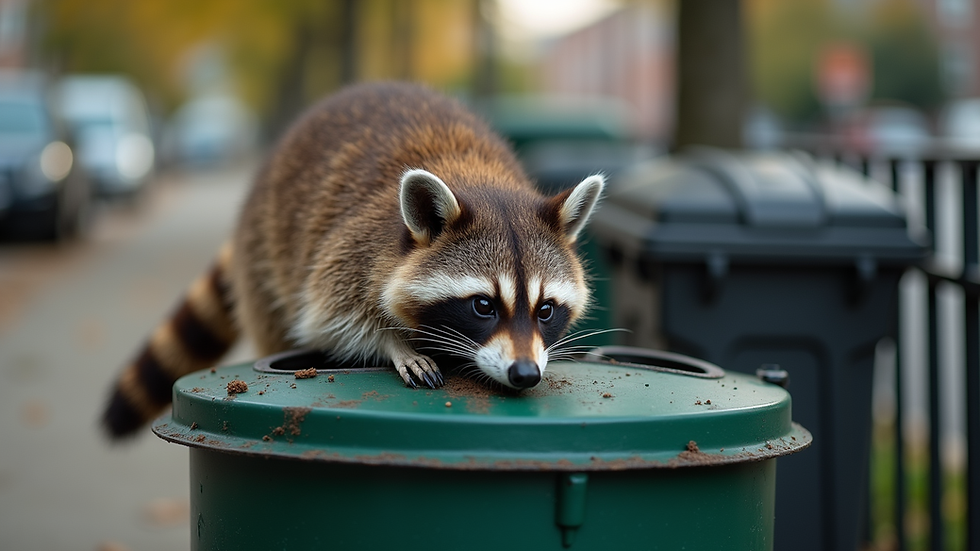
Raccoons are notorious for their dexterous paws and intelligence. They often rummage through garbage cans and can cause significant damage to property.
Identification: Raccoons have a distinctive black mask around their eyes and a bushy tail with rings.
Behavior: They are primarily nocturnal and are known for their ability to open containers and doors.
Squirrels
Squirrels can be charming to watch, but they can also wreak havoc on gardens and homes.
Identification: Look for their bushy tails and agile movements. They are often gray or brown.
Behavior: Squirrels are known for their ability to chew through wires and insulation, making them a fire hazard.
Opossums
Opossums are often misunderstood and can be beneficial by controlling pests like ticks.
Identification: They have a pointed snout, gray fur, and a hairless tail.
Behavior: Opossums are nocturnal and tend to play dead when threatened, which can be alarming to homeowners.
Skunks
Skunks are infamous for their potent spray, which they use as a defense mechanism.
Identification: They have black fur with white stripes down their back.
Behavior: Skunks are nocturnal and often dig for insects and grubs in gardens.
Snakes
While many snakes are harmless, some can pose a threat to pets and children.
Identification: Look for their elongated bodies and varying colors. Common nuisance snakes include garter snakes and rat snakes.
Behavior: Snakes are often found in gardens or near water sources, and they can be beneficial by controlling rodent populations.
Signs of Nuisance Wildlife
Identifying nuisance wildlife involves looking for specific signs that indicate their presence.
Tracks and Scat
Tracks: Look for paw prints in soft soil or mud. Raccoon tracks are often larger and have five toes, while squirrel tracks are smaller with four toes.
Scat: Animal droppings can provide clues about what species is present. Raccoon scat often contains remnants of food, while skunk scat has a strong odor.
Damage to Property
Chewing: Look for gnaw marks on wood, wires, or insulation, which can indicate the presence of squirrels or rodents.
Burrows: Small holes in the ground can indicate the presence of groundhogs or rabbits.
Noises
Scratching or Scraping: Noises in the attic or walls can indicate raccoons or squirrels trying to enter your home.
Chirping or Growling: These sounds may come from opossums or skunks, especially during mating season.
Managing Nuisance Wildlife
Once you've identified the nuisance wildlife in your area, it's essential to manage their presence effectively.
Prevention Strategies
Secure Garbage: Use animal-proof trash cans and store food in sealed containers.
Seal Entry Points: Inspect your home for gaps or holes and seal them to prevent wildlife from entering.
Remove Attractants: Keep pet food indoors and clean up fallen fruit from trees.
Safe Removal Techniques
If wildlife has already taken up residence, consider the following removal techniques:
Live Traps: These traps allow you to capture animals without harming them. Check local regulations regarding trapping and relocation.
Professional Help: If you're unsure how to handle the situation, consider hiring a wildlife control expert.
Legal Considerations
Before taking any action, familiarize yourself with local laws regarding wildlife. Some species are protected, and it may be illegal to harm or relocate them without a permit.
Conclusion
Identifying and managing common nuisance wildlife species is crucial for maintaining a peaceful home environment. By understanding their behaviors and taking proactive measures, you can minimize conflicts and enjoy the beauty of nature without the disturbances that these animals can bring. Remember to observe wildlife from a distance and respect their role in the ecosystem. If you encounter persistent issues, don't hesitate to seek professional assistance to ensure a safe and humane resolution.


Comments