Effective Wildlife Control Techniques for Homeowners
Wildlife can be a beautiful part of nature, but when it invades your home or garden, it can become a nuisance. From raccoons rummaging through your trash to squirrels nesting in your attic, dealing with wildlife can be challenging. Fortunately, there are effective wildlife control techniques that homeowners can implement to protect their property while respecting the animals involved. This guide will explore practical strategies for managing wildlife encounters, ensuring a harmonious coexistence with nature.

Understanding the Problem
Before diving into control techniques, it’s essential to understand why wildlife is drawn to your home. Common reasons include:
Food Sources: Open trash cans, pet food left outside, and bird feeders can attract animals.
Shelter: Attics, basements, and garages provide safe havens for wildlife.
Water: Standing water from bird baths or leaky pipes can be a draw.
Recognizing these attractants is the first step in effective wildlife control.
Prevention Strategies
Secure Food Sources
One of the most effective ways to deter wildlife is to eliminate food sources. Here are some tips:
Use Animal-Proof Trash Cans: Invest in trash cans with secure lids that animals cannot open.
Store Pet Food Indoors: Keep pet food in sealed containers and avoid leaving it outside.
Manage Bird Feeders: Use squirrel-proof feeders and clean up spilled seeds regularly.
Seal Entry Points
Wildlife often enters homes through small openings. To prevent this:
Inspect Your Home: Look for gaps around windows, doors, and vents.
Use Steel Wool or Caulk: Seal small holes with steel wool or caulk to prevent entry.
Install Screens: Use screens on vents and chimneys to keep animals out.
Create a Less Inviting Environment
Making your yard less appealing to wildlife can also help:
Trim Overgrown Vegetation: Keep bushes and trees trimmed to reduce hiding spots.
Remove Standing Water: Eliminate sources of standing water to deter animals.
Use Repellents: Natural repellents, such as cayenne pepper or vinegar, can deter animals from certain areas.
Active Control Techniques
If wildlife has already invaded your space, you may need to take more active control measures. Here are some effective techniques:
Trapping
Trapping is a humane way to remove wildlife from your property. Here’s how to do it properly:
Choose the Right Trap: Select traps that are appropriate for the species you’re dealing with. For example, live traps for raccoons and squirrels.
Bait the Trap: Use food that attracts the specific animal, such as peanut butter for raccoons.
Check Traps Regularly: Ensure that you check traps frequently to minimize stress on the captured animal.
Relocation
Once trapped, consider relocating the animal to a suitable habitat far from your home. Be sure to check local regulations regarding wildlife relocation, as some areas have specific laws.
Professional Wildlife Control Services
If the problem persists or if you’re uncomfortable handling wildlife yourself, hiring a professional service can be a wise choice. These experts have the tools and knowledge to manage wildlife effectively and humanely.
Dealing with Specific Animals
Different wildlife species require different approaches. Here are some common animals and effective control techniques for each:
Raccoons
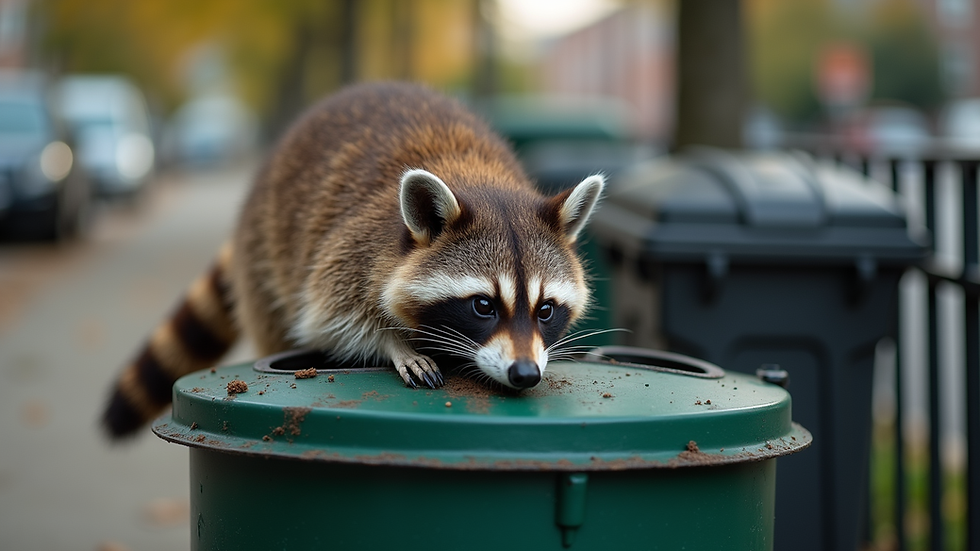
Raccoons are notorious for raiding trash cans. To manage them:
Secure Trash: Use raccoon-proof trash cans.
Remove Attractants: Ensure pet food and bird feeders are not accessible.
Trapping: If they persist, consider trapping and relocating them.
Squirrels
Squirrels can cause damage to your home and garden. To deter them:
Seal Entry Points: Block access to attics and roofs.
Use Squirrel-Proof Feeders: If you enjoy birdwatching, invest in feeders that prevent squirrels from accessing seeds.
Trapping: Live traps can be effective for relocation.
Skunks
Skunks can be a smelly nuisance. To keep them away:
Remove Food Sources: Secure trash and pet food.
Use Repellents: Natural repellents can deter skunks from your yard.
Trapping: If necessary, use traps to relocate them.
Birds
While many birds are harmless, some can become pests. To manage them:
Use Bird Spikes: Install spikes on ledges to prevent roosting.
Remove Nesting Materials: Keep your yard free of materials that birds may use to build nests.
Netting: Use bird netting to protect gardens from pecking.
Ethical Considerations
When dealing with wildlife, it’s crucial to approach the situation ethically. Here are some guidelines to follow:
Use Humane Methods: Always opt for humane traps and relocation methods.
Educate Yourself: Understand the species you are dealing with to ensure you are using appropriate methods.
Follow Local Laws: Be aware of local wildlife regulations to avoid legal issues.
Conclusion
Effective wildlife control is about finding a balance between protecting your home and respecting nature. By implementing prevention strategies, using humane control techniques, and understanding the specific needs of different animals, homeowners can manage wildlife encounters effectively. Remember, the goal is to create a safe and comfortable living environment for both you and the wildlife around you.
Take action today by assessing your home for potential attractants and implementing these strategies. A little effort can go a long way in ensuring a peaceful coexistence with nature.

Comments